
You'll learn to
- Describe the three groups of customers we sell to
- Match each group with the products it usually buys
- Recognise what a typical STQRY customer needs from us
Our customers are the organisations that hold stories, and they fall into three groups.
Culture and heritage is the biggest. Museums, galleries and historic sites make up the largest share of our customers. Parks and the outdoors comes next, along with tourism, which covers destinations, towns and cities, attractions and tour operators.
The groups overlap, and that's fine. A castle is a historic site and a tourist attraction. A bird park is an attraction and a park. Use the groups to understand what a customer needs, not to file them in one box.
Whatever the group, the typical customer looks much the same. They're small or medium-sized, with a tight budget and nobody technical on staff, and they have far more stories than ways to share them.
Culture and heritage
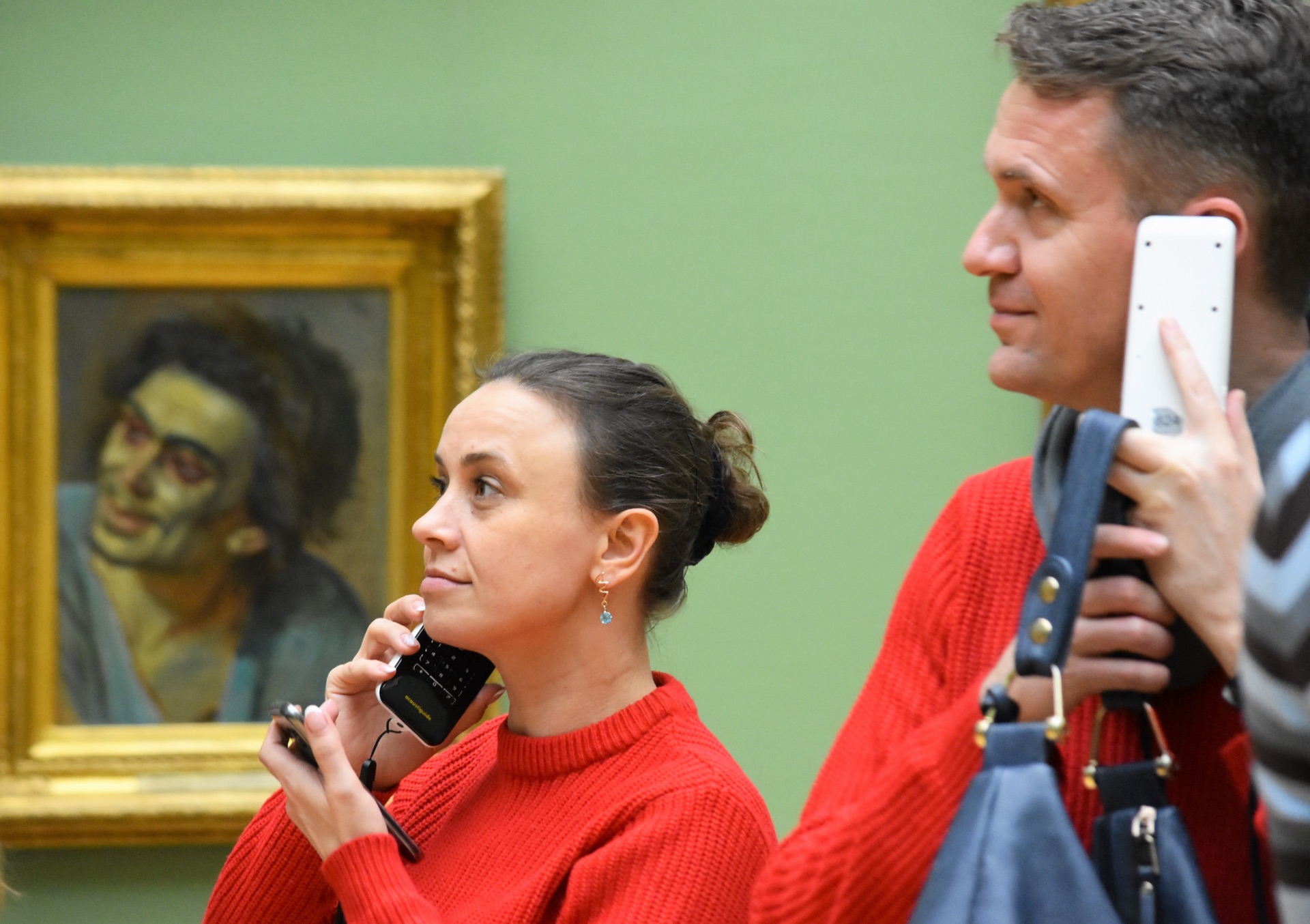
- Museums, galleries and historic sites
- Libraries and archives
- Usually buy Apps, Kiosk, Collect and Signage
Picture a regional museum with a small team and a new exhibition opening in six weeks. They want an audio guide in several languages, a touch screen in the gallery and a display in the lobby. They don't have a developer, and they don't have an AV budget.
That's the conversation we have most often. STQRY Apps gives them the audio guide, STQRY Kiosk the touch screen and STQRY Signage the lobby display, all from the same content in Builder. Libraries and archives often come to us for STQRY Collect.
The Auckland Museum, Museums Victoria and Ingenium in Canada are all customers. The Walt Disney Family Museum is a good example to share. Its STQRY app has gallery tours in 12 languages, including American Sign Language, and an audio-described tour for visitors with vision impairments.
Parks and the outdoors

- Parks, forests and trails
- Gardens, zoos and nature reserves
- Usually buy Apps, Guide and Kiosk
When a visitor is halfway along a forest trail, there's often no mobile coverage. That's why our apps work offline, maps included.
Parks and nature organisations usually want trail guides, maps and visitor information in one place. STQRY Guide lets them publish quickly without an app of their own. STQRY Apps gives them an app with their own brand. A visitor centre can add STQRY Kiosk for touch screens about the park. Parks Canada uses it at Gros Morne National Park.
Parks Canada is a customer. So are Friends of Acadia, with their Acadia Quest app, and Sydney Olympic Park, Harvard's Arnold Arboretum and the Grizzly and Wolf Discovery Center. You can open many of their apps in a browser from the STQRY app directory at stqry.app.
Tourism

- Destinations, towns and cities
- Attractions
- Tour operators, on foot, by bus or by boat
- Usually buy Apps, Marketplace, Fleet and Signage
Tourism covers a wide range. A destination organisation or a city council wants heritage walks and a city guide with places to eat and shop. An attraction wants its own visitor app. A tour operator wants commentary on board, in every language its passengers speak.
Tour operators are where we're putting our effort for new customers. A sightseeing bus or tour boat can use STQRY Fleet for devices handed to passengers and STQRY Signage for the displays on board. Operators who sell tours to the public can use STQRY Marketplace too.
The Empire State Building, Biosphere 2 and the Agrodome in Rotorua all have STQRY apps. In New Zealand, Fullers360 ferries and Southern Discoveries are customers too, and Southern Discoveries uses STQRY Signage as well.
For more on tour operators, see Who buys STQRY Signage.
Culture and heritage. Museums, galleries and historic sites are the largest share.
STQRY apps work offline, so the maps and stories keep working on the trail.
It depends who's asking. If it's the council's tourism team, they're in tourism, with destinations, towns and cities. If it's their heritage department, they're culture and heritage. Either way, find out which team you're talking to, because that tells you what they care about.